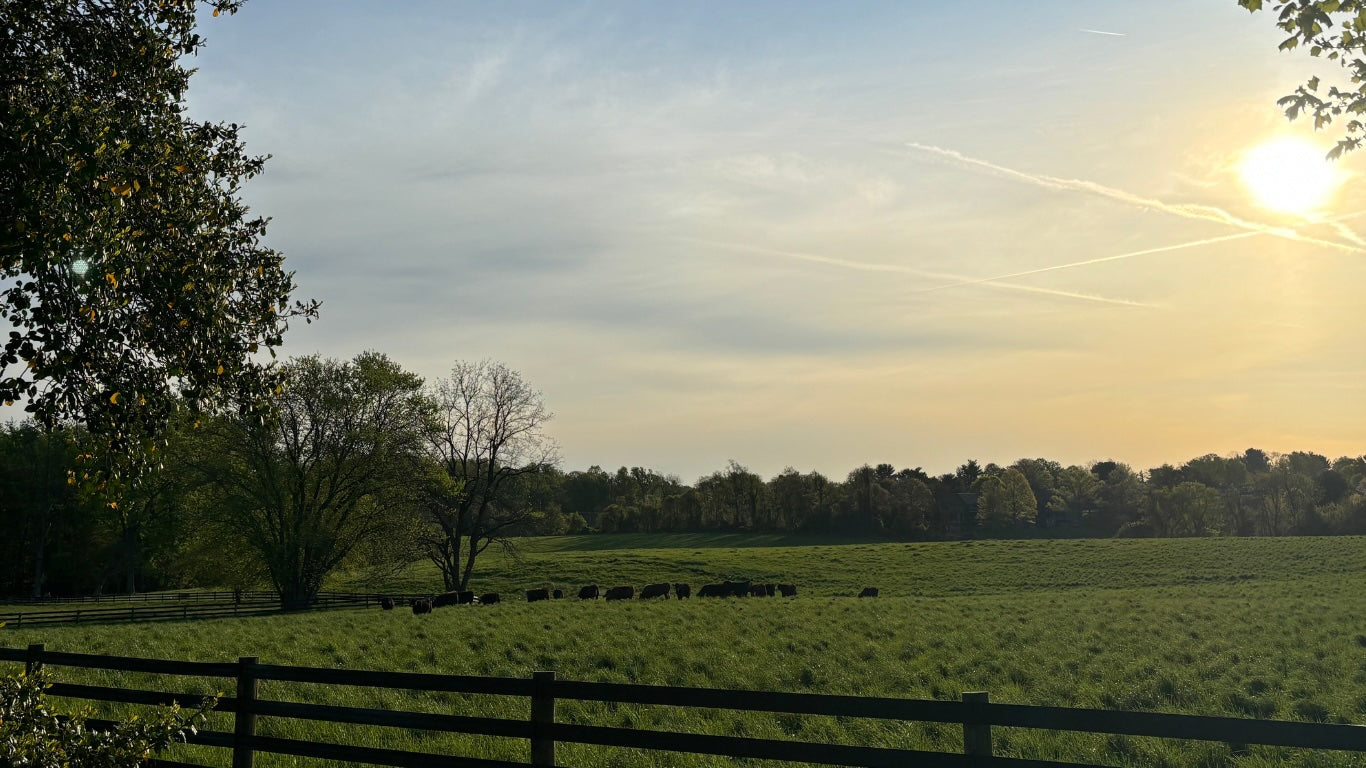

Regenerative farming is having a moment. For good reason.
As consumers become more curious (and concerned) about where their food comes from and how it’s produced, farming systems that heal the land while producing nourishing food are stepping into the spotlight. This is what regenerative farming is all about: a holistic approach to agriculture, one that restores soil health, strengthens ecosystems, and supports farmers and local communities by the very way it operates.
The Core Idea
Unlike conventional agriculture, which often prioritizes short-term yields, regenerative agriculture focuses on long-term ecological health; it goes beyond mere sustainability by actively improving the land rather than simply maintaining it.
Here’s one way to think about it: At its core, this system works with nature instead of against it. The goal is to rebuild living soils, encourage biodiversity, and create resilient farm systems that can better withstand drought, pests, and changing weather patterns.
Key Principles
While every farm looks a little different, most regenerative farming practices are guided by a shared set of principles:
- Soil health first: Techniques like cover cropping, reduced tillage, and composting help build the soil’s organic matter and support beneficial microbes.
- Biodiversity and crop rotation: Diverse plantings and rotating crops or pastures mimic natural ecosystems and reduce disease pressure.
- Animal integration: Livestock play a key role, with managed-grazing used to cycle nutrients and improve soil structure.
- Minimizing chemicals: Synthetic fertilizers, pesticides, and herbicides are reduced or eliminated to protect soil life and water quality.
Together, these regenerative farming practices help farms become more productive, resilient, and environmentally sound over time.
How It Works in Practice
Many people who ask “What is regenerative farming?” are surprised by how straightforward and practical it can be. Common examples include:
- For soil: Builds long-term fertility, structure, and biological activity
- For farmers: Can reduce input costs and create more resilient, profitable operations
- For the environment: Supports wildlife, improves water quality and contributes to climate mitigation
- For consumers: Produces more nutrient-dense food raised without unnecessary chemicals
Beyond these core benefits, regenerative systems also help reconnect people to their food. When farms prioritize transparency, animal welfare, and land stewardship, consumers gain confidence in how their food is raised. Local and regional farms practicing this approach often foster stronger community relationships, educational opportunities, and a renewed appreciation for seasonal, responsibly produced food.
These benefits are why interest in regenerative agriculture continues to grow among farmers and consumers alike.
Common Misconceptions
One common myth is that regenerative farming is a single technique or certification; in reality, it’s a flexible framework focused on outcomes and continuous improvement. No two farms are the same, and so no two farming frameworks are going to be either.
Another misconception surrounding regenerative farming practices is that they’re the same as organic farming practices. But while the two can overlap, regenerative systems place a stronger emphasis on soil regeneration, ecosystem services, and whole-farm resilience.
Regenerative Farming Done Right
Located in rural Maryland, Hidden Waters Farm is a family-run operation that uses regenerative farming practices—like rotational grazing and holistic livestock integration—to improve soil health naturally, i.e., without relying on harmful chemicals or routine antibiotics.
Hidden Waters Farm raises grass-fed beef, pastured chicken, and woodland Berkshire pork using nature-driven systems that respect both animals and the land. By prioritizing healthy soils and ethical animal care, the farm produces nutrient-rich food while preserving traditional farming values.
Hidden Waters Farm is a prime example of regenerative farming done right: showing how thoughtful land stewardship can nourish both the environment and the people it feeds.
Farming the Way It Was (and Is Starting to Be Again)
As interest in healthier food and healthier ecosystems grows, regenerative farming offers a hopeful path forward. By rebuilding soils, supporting farmers, and strengthening local food systems, it helps create a more resilient agricultural future for everyone.
If you’re looking to support farming that works in harmony with nature, Hidden Waters Farm is a good place to start. Explore our ethically raised meats, learn more about our land-first philosophy, and experience in-person how regenerative agriculture can make all the difference.